
Software Rescue & Maintenance
We take over codebases others won't touch. Our experienced team will take on the challenge. Diagnosis, stabilisation, refactoring, and modernisation — we rescue and future-proof your software.

We take on the systems others won't.
Software usually reaches us in a particular state: the team that built it has gone, the documentation never existed, releases are frightening, and the business still depends on it every single day. That is the work we are known for.
The first job is never a rewrite. It is stabilisation — stop the bleeding, make releases safe, and buy the business room to think. Modernisation follows in slices, each one delivered to production, each one reversible.
How a rescue runs:
- Codebase archaeology — what exists, what runs it, what depends on it, all written down.
- Emergency stabilisation: the critical defects, the failing jobs, the security holes.
- A safety net first — source control, environments, backups, a build anyone can run, and tests around the paths that matter.
- Incremental modernisation, module by module, with zero-downtime cutovers.
- Handover: documentation, knowledge transfer, and the option to keep us on maintenance.
Diagnosis before surgery.
Rescues fail when someone starts rewriting on day one. Here is what we do instead.
We map it first
Two weeks of reading the code, the data and the logs gives you an honest picture of what you own — and what it will cost to keep.
Stabilise, then improve
Production comes first: the crashes, the data loss, the overnight jobs that silently fail. Improvement work starts once the bleeding stops.
Your IP protected
Years of business rules are buried in that codebase. We extract and document them before anything is replaced, so the knowledge survives the migration.
A safety net that stays
Tests, environments and a repeatable pipeline are part of the rescue. When we hand back, your team can change the system without holding their breath.

The first thirty days
Week one is triage and access. Week two, the critical defects and a build that runs on a clean machine. By the end of the month you have a stabilised system, a written assessment of its condition, and a costed plan for what comes next.
- A written assessment you can take to your board
- Critical production issues resolved inside the first month
- A plan with options — rescue, replace, or a staged mix of both
Rescue, then renovation
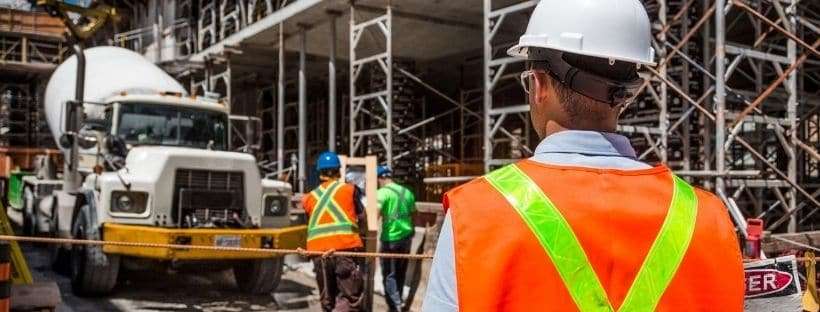
Once the system is stable, modernisation happens in slices behind the existing interface: a module at a time, each with tests, each deployed on its own. The business keeps running through the whole process and nothing depends on a big-bang cutover weekend.
- Legacy interfaces replaced module by module
- Data migrated with reconciliation, not hope
- Every step reversible, with no downtime windows
Technologies
The technology stack we use on this work includes, but is not limited to:
 C#
C# .NET
.NET SQL Server
 React
React Azure
Azure Docker
 GitHub Actions
Completed projects
The same work, delivered. Every number came out of production.


Other services.

Custom Enterprise Software
Architecting robust, scalable enterprise systems with the Microsoft C#/.NET and Blazor ecosystem. From complex business logic to high-throughput APIs, built to perform and endure.

Web Application Development
Full-stack web applications that are fast, accessible, and maintainable. Modern React frontends powered by robust Node.js APIs. Built on SQL Server or PostgreSQL, deployed on Azure or AWS — your vision, our expertise.

Mobile App Development
Cross-platform mobile apps with native performance. One codebase, two platforms, zero compromise on user experience — make it easy for clients to work with you.
Ready to start?
Got a problem to solve?
Whether you're starting from scratch, scaling up, or dealing with a system under stress — let's talk about what we can build together. We can start by ensuring your systems continue to operate while a strategy is developed to make the most of your investment.